Give A Read: Sometimes Acceptance Is Not Giving Up

When someone we love is struggling, it can be natural to respond with fear, urgency, correction, or control. We want things to change because we can see the danger. But sometimes, the harder we push, the more distance grows. This article from MacLeans magazine offers a powerful reflection on parenting, youth addiction, radical acceptance, and …

Give A Read: Healing Happens Through Connection

In this conversation in the Psychotherapy Networker between trauma experts Bruce Perry and Gabor Maté, the central message is clear: trauma matters, but connection matters deeply too. Perry explains that adverse childhood experiences can shape development, but they do not determine a person’s future. One of the strongest predictors of healing is whether someone feels …

Give A Read: How to Support Someone Who Is Grieving

When someone we care about is grieving, it can be hard to know what to say or do. Many people worry about saying the wrong thing, so they stay quiet, keep their distance, or rely on familiar phrases like “everything happens for a reason.” But grief is not something to fix, explain away, or rush …

Give A Read: Brandon Halverson’s Story of Mental Health, Setbacks, and Staying With It

A recent article in The Hockey News shares the story of goaltender Brandon Halverson, whose hockey journey included repeated setbacks, injuries, time in the minors, financial strain, and a period where he described himself as emotionally “numb.” After being sent down again, Halverson recognized that he had nothing left to give and needed to go …

Give A Read: Brain Injury Recovery Is Not One-Size-Fits-All

Brain injury recovery is not always straightforward, and it is rarely one-size-fits-all. A recent University of Manitoba article highlights the work of Dr. Frederick Zeiler, whose research focuses on making traumatic brain injury treatment more personalized through real-time monitoring of the brain. For clients and families, this is a helpful reminder that changes after a …

Give A Read: How to tell if your child needs therapy and find the right support

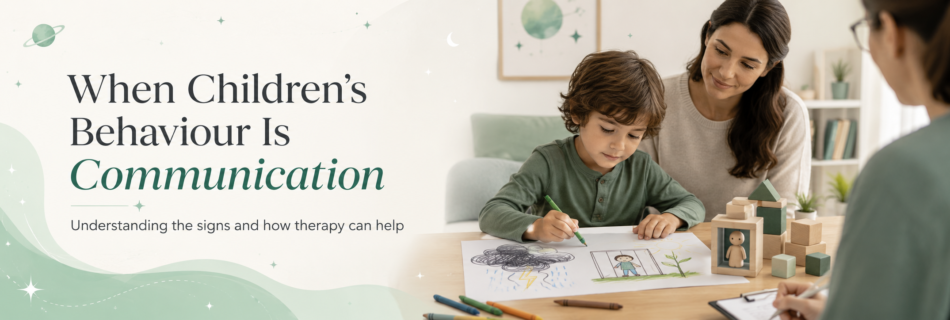
Parents often know when something feels different with their child. Bedtime becomes a battle. School suddenly feels impossible. Big emotions show up as meltdowns, aggression, defiance, withdrawal, stomach aches, headaches, or a child who just seems “not like themselves.” A helpful reminder from this article is that children’s behaviour is often communication. Young children do …